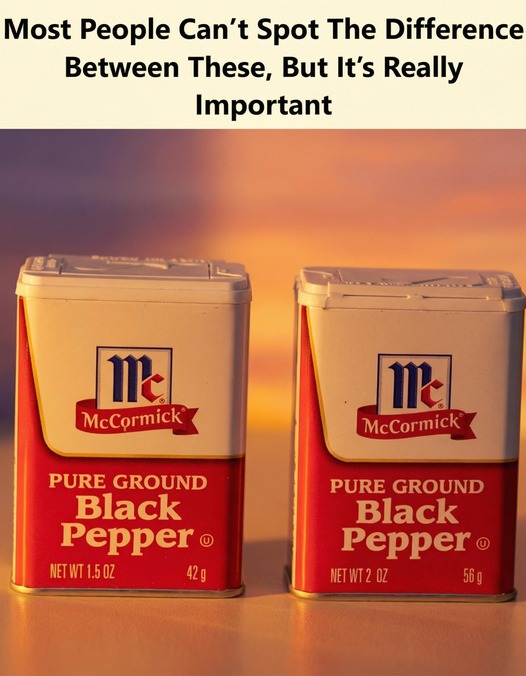
In today’s fast-paced retail environment, shoppers often make decisions in seconds, guided more by visual impressions than by close inspection. Packaging size, shape, and shelf presence play a powerful role in shaping what feels like a good value, especially for everyday items purchased on habit. Subtle design choices—such as container height, width, or opacity—can quietly influence perception without drawing conscious attention. A recent legal dispute in the spice aisle highlights how these seemingly minor details can take on outsized importance when they affect how consumers interpret what they are buying.
At the center of the case are McCormick & Company and its smaller competitor, Watkins Incorporated. Watkins alleges that McCormick reduced the amount of pepper in one of its well-known containers while keeping the exterior packaging largely the same. According to the complaint, the contents dropped from roughly eight ounces to closer to six, but the container’s size and shape remained familiar to long-time shoppers. Watkins argues that this continuity may lead consumers to assume they are purchasing the same quantity as before, even though the actual amount has changed.
A major point of disagreement involves transparency and visibility. Watkins sells its pepper in clear containers, allowing customers to see exactly how much product is inside. McCormick’s containers, on the other hand, are opaque, meaning shoppers must rely on labeling rather than visual confirmation. While both brands now offer similar quantities, the McCormick container appears larger and more substantial on the shelf. Watkins contends that this visual difference creates a misleading impression of greater value, especially when consumers are comparing products quickly or shopping on autopilot rather than carefully reading net-weight information.
For consumers, the issue goes beyond a few ounces of pepper. It touches on how trust is built—or weakened—through everyday experiences. Many shoppers naturally associate larger-looking packages with better value, even when labels technically disclose the correct information. McCormick has stated that its packaging complies with all labeling regulations and clearly lists net weight. Critics counter that companies understand how people actually shop and that design decisions are rarely accidental. The dispute ultimately raises a broader question for modern commerce: should transparency be judged only by what is legally disclosed, or also by what is visually implied? In markets built on long-term relationships, perception can matter as much as compliance, and even small changes can have lasting effects on consumer confidence.