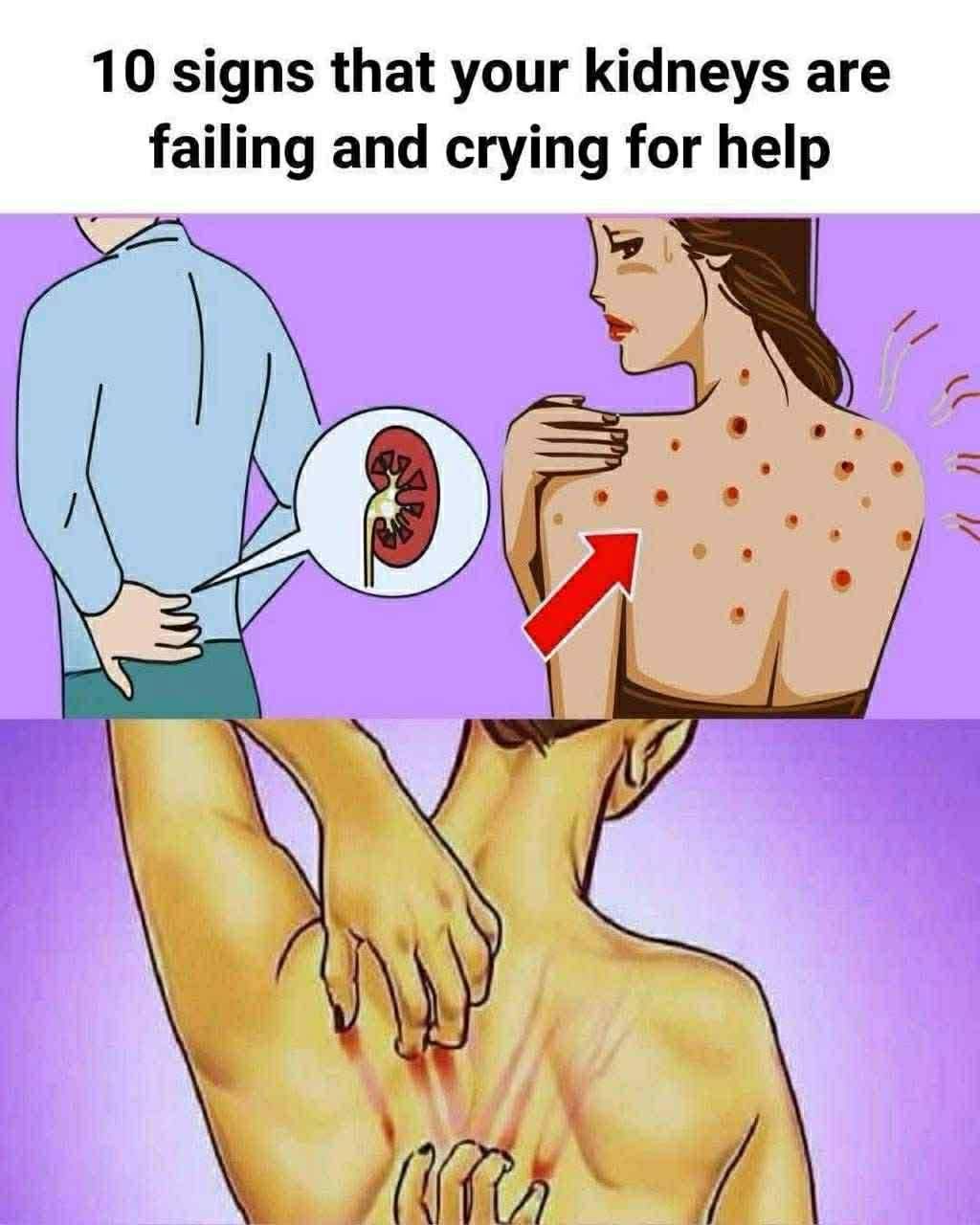
Kidney health plays a vital role in your overall well-being, yet problems with the kidneys often develop quietly. Because these organs are responsible for filtering waste, balancing fluids, and supporting important functions such as blood pressure regulation and red blood cell production, even small changes in kidney performance can influence how you feel day to day. Many people do not realize that early symptoms are subtle, which makes awareness incredibly important. Understanding the early signs can encourage timely checkups and help prevent more serious issues in the future.
One of the most common early indicators of kidney stress is a noticeable change in urination patterns. This may include going to the bathroom more frequently, producing less urine than usual, or seeing foamy urine due to excess protein. People may also experience symptoms that seem unrelated at first, such as fatigue or a general lack of energy. Swelling in the legs, ankles, or around the eyes can occur when the kidneys are unable to properly regulate fluids. Some individuals report discomfort in the lower back, nausea, a decrease in appetite, or difficulty sleeping. Other signs—like dry or itchy skin, muscle cramps, or a metallic taste in the mouth—can happen when the body struggles to manage minerals and toxins effectively.
Understanding your personal risk factors is just as important as watching for symptoms. Conditions such as high blood pressure and diabetes are two of the most common contributors to reduced kidney function. A family history of kidney disorders, long-term use of certain over-the-counter pain relievers, smoking, or a diet high in processed foods can also increase risk. While not every risk factor can be changed, many lifestyle habits can be improved to support kidney health. Drinking enough water, eating a balanced diet with limited salt, maintaining a healthy weight, and staying active all play a positive role. Regular medical checkups are especially important for people who already have health conditions that can affect the kidneys.
If you begin noticing unusual symptoms or have several risk factors, scheduling a visit with a healthcare professional is an essential first step. Early evaluation can help identify potential issues before they become more serious, and with proper monitoring, many kidney-related concerns can be managed effectively. Early awareness often leads to better long-term outcomes, giving you more control over your health. By paying attention to changes in your body and adopting habits that support kidney function, you can help protect one of your most important organs and maintain overall wellness for years to come.